Quick Summary (TL;DR)
Choosing the correct reamer bit or reamer tool is critical for the success of any horizontal directional drilling (HDD) or oilfield project. The right tool depends on formation hardness, hole size requirements, and drilling rig capacity.
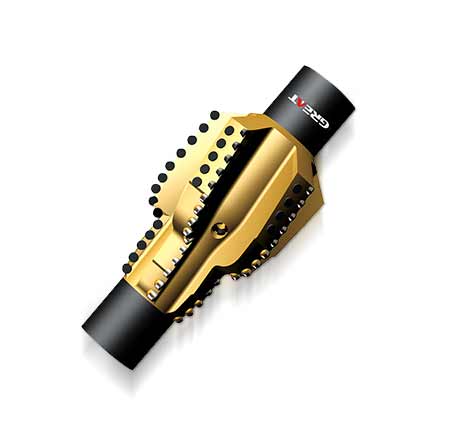
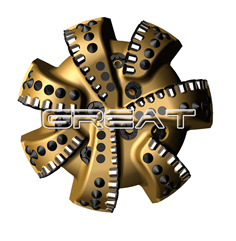
For extremely hard and abrasive rock formations, matrix body PDC reamers offer the best wear resistance.
For softer formations or customized drilling profiles, steel body reamers provide more flexibility and faster drilling.
Working with an experienced manufacturer ensures accurate sizing (from 3" to 26") and reliable performance in the field.
What Is an Industrial Drilling Reamer Tool?
When searching for a reamer tool online, it is easy to confuse industrial drilling equipment with small tools used in woodworking or plumbing. However, in the petroleum, mining, and HDD (horizontal directional drilling) industries, a reamer bit is a heavy-duty, precision-engineered tool.
Industrial reamers are designed to enlarge a pilot hole while withstanding:
Extreme underground pressure
High operating temperatures
Highly abrasive rock formations
Long continuous drilling operations
Choosing the wrong reamer bit can lead to tool failure, wellbore deviation, or expensive project delays. This is why professional contractors always match the reamer tool to the geological conditions.
Key Factors to Consider When Selecting a Reamer Bit
To achieve maximum drilling efficiency, engineers and project managers should evaluate the following factors before choosing a reamer tool.
1. Formation Hardness and Abrasiveness
The geological condition of the drilling site directly determines which type of reamer bit should be used.
Hard and abrasive formations
A matrix body reamer is the best choice. Matrix bodies provide excellent wear resistance and erosion protection, making them ideal for long drilling runs in aggressive environments.
Soft to medium formations
A steel body reamer is usually more suitable. Steel bodies allow larger cutter profiles and better blade design flexibility, which helps improve the rate of penetration (ROP) in softer ground.
2. Choosing the Right Type of Reamer Tool
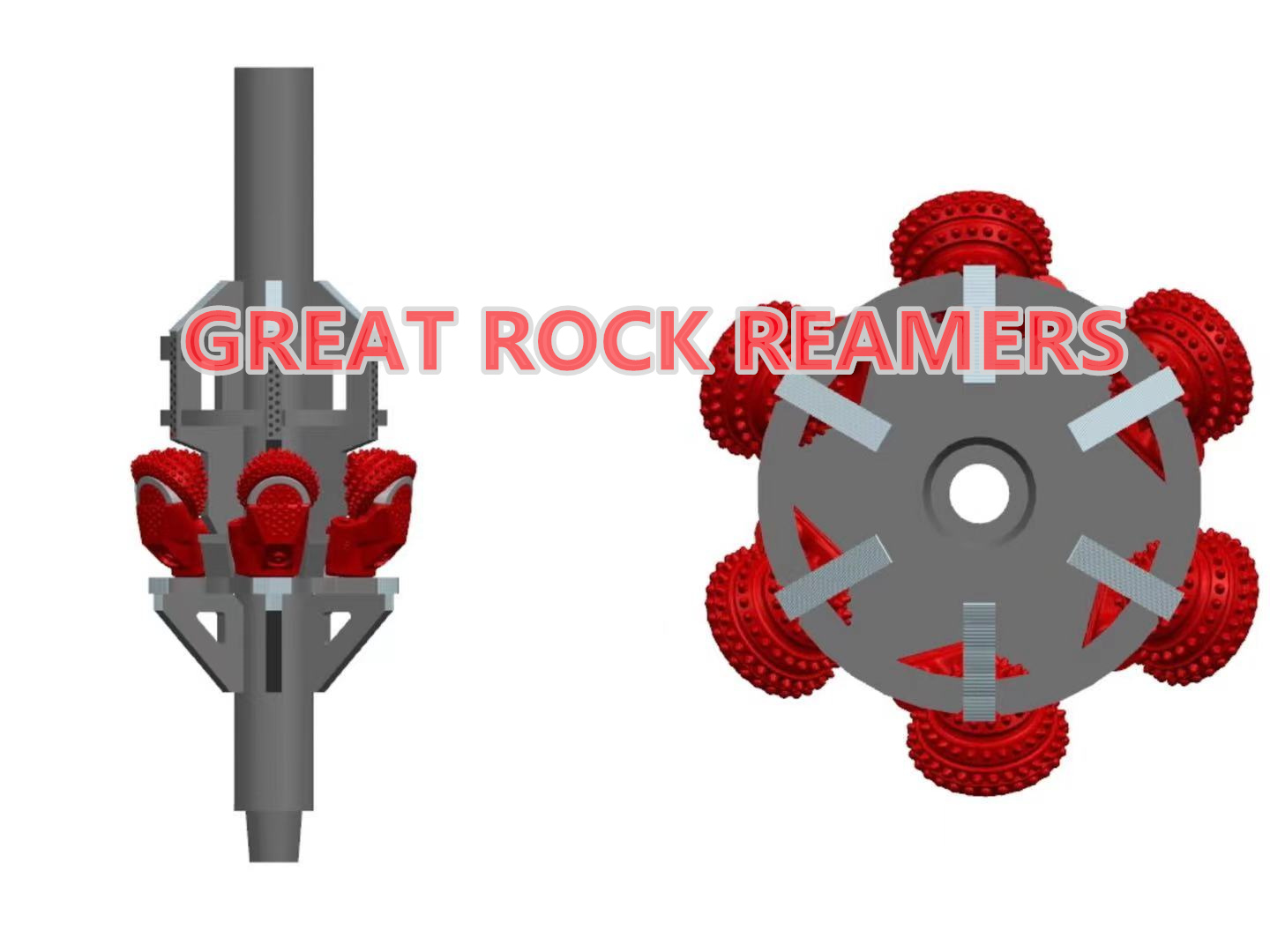
Different drilling projects require different types of reaming tools. The most commonly used tools in HDD and oilfield operations include:
HDD Hole Openers
These tools are widely used in horizontal directional drilling to enlarge the borehole before pipeline installation.
Bi-Center Drill Bits
Bi-center bits are designed to pass through a casing and then drill a hole larger than the casing diameter. They are especially important in deep-well and complex drilling projects.
PDC Reamers vs. Tricone Reamers
3. Size Requirements and Customization
Hole size requirements can vary significantly depending on the project. A reliable reamer tool manufacturer should be able to provide:
Standard sizes from 3 inches to 26 inches
Custom blade designs
Special cutting structures for difficult formations
Stable quality for long-term drilling projects
Choosing the right size is just as important as choosing the right material.
Why Choosing a Reliable Reamer Tool Manufacturer Matters
In the drilling industry, tool reliability directly affects project cost and safety. This is why contractors increasingly focus on manufacturers with strong experience, engineering expertise, and production capability.
An experienced manufacturer can help you:
Select the correct tool based on geological conditions
Reduce drilling downtime
Improve drilling speed and stability
Lower overall project costs
Instead of simply buying a tool, you are choosing a long-term drilling solution.
Final Thoughts
Selecting the right reamer bit is not just about enlarging a hole — it is about improving the efficiency, safety, and profitability of your entire drilling project.
By understanding the formation hardness, choosing the right body type (matrix or steel), and working with a professional manufacturer, you can significantly improve drilling performance in both HDD and oilfield projects.
 English
 français
 Deutsch
 Español
 italiano
 русский
 português
 العربية
 tiếng việt
 ไทย
ไทย Nederland